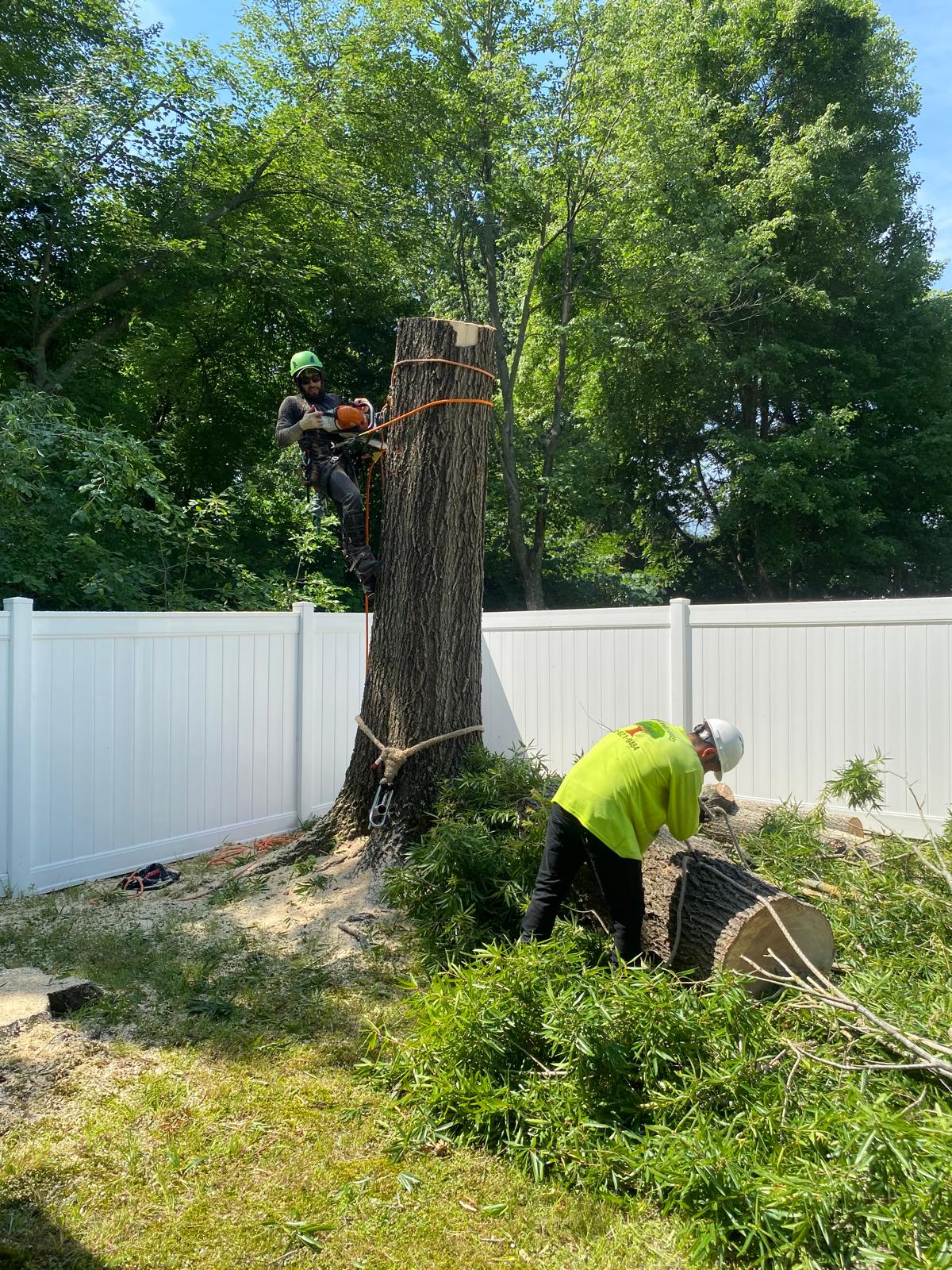
Pest Control: Protecting Your Trees
Trees are essential to our ecosystem, providing shade, beauty, and habitats for wildlife. However, they are also vulnerable to various pests that can threaten their health and longevity. Effective pest control is crucial for maintaining healthy trees and protecting your landscape investment.
Understanding Tree Pests
Tree pests can be broadly categorized into insects and diseases. Recognizing the signs of infestation early can save you time, effort, and money in the long run.
Common Insect Pests
- Aphids: Small, sap-sucking insects that can weaken trees.
- Spider Mites: Tiny arachnids that create webbing and cause leaf discoloration.
- Bark Beetles: Wood-boring insects that can kill trees by disrupting nutrient flow.
- Caterpillars: Larvae of moths and butterflies that can defoliate trees.
Tree Diseases
- Powdery Mildew: Fungal disease that appears as a white coating on leaves.
- Root Rot: Caused by overwatering or poor drainage, leading to tree decline.
- Canker: Dead areas on the bark that can disrupt nutrient transport.
Signs of Pest Infestation
Monitoring your trees for signs of pest infestation is essential. Early detection can lead to more effective treatment options.
- Discolored or wilting leaves.
- Premature leaf drop.
- Visible insects on leaves or bark.
- Holes in leaves or bark.
- Sticky residue on foliage from sap-sucking pests.
Preventative Measures
Taking proactive steps can help you protect your trees from pests before they become a problem.
- Regularly inspect your trees for signs of pests.
- Maintain proper watering and drainage.
- Encourage beneficial insects that prey on pests.
- Prune dead or infected branches promptly.
- Use organic pesticides as a last resort.
Professional Pest Management Solutions
If your trees are already infested or if preventative measures have not been effective, it may be time to consider professional pest management services.
Benefits of Professional Services
- Expert diagnosis of pest issues.
- Access to specialized treatments and equipment.
- Ongoing maintenance and monitoring programs.
- Knowledge of the latest pest control technologies.
Conclusion
Protecting your trees from pests is not just about aesthetics; it's about preserving the health of your landscape and the environment. By understanding the common pests that affect trees, recognizing signs of infestation, and taking preventative measures, you can ensure your trees thrive for years to come. If you're facing pest issues, don't hesitate to reach out to a professional for assistance.