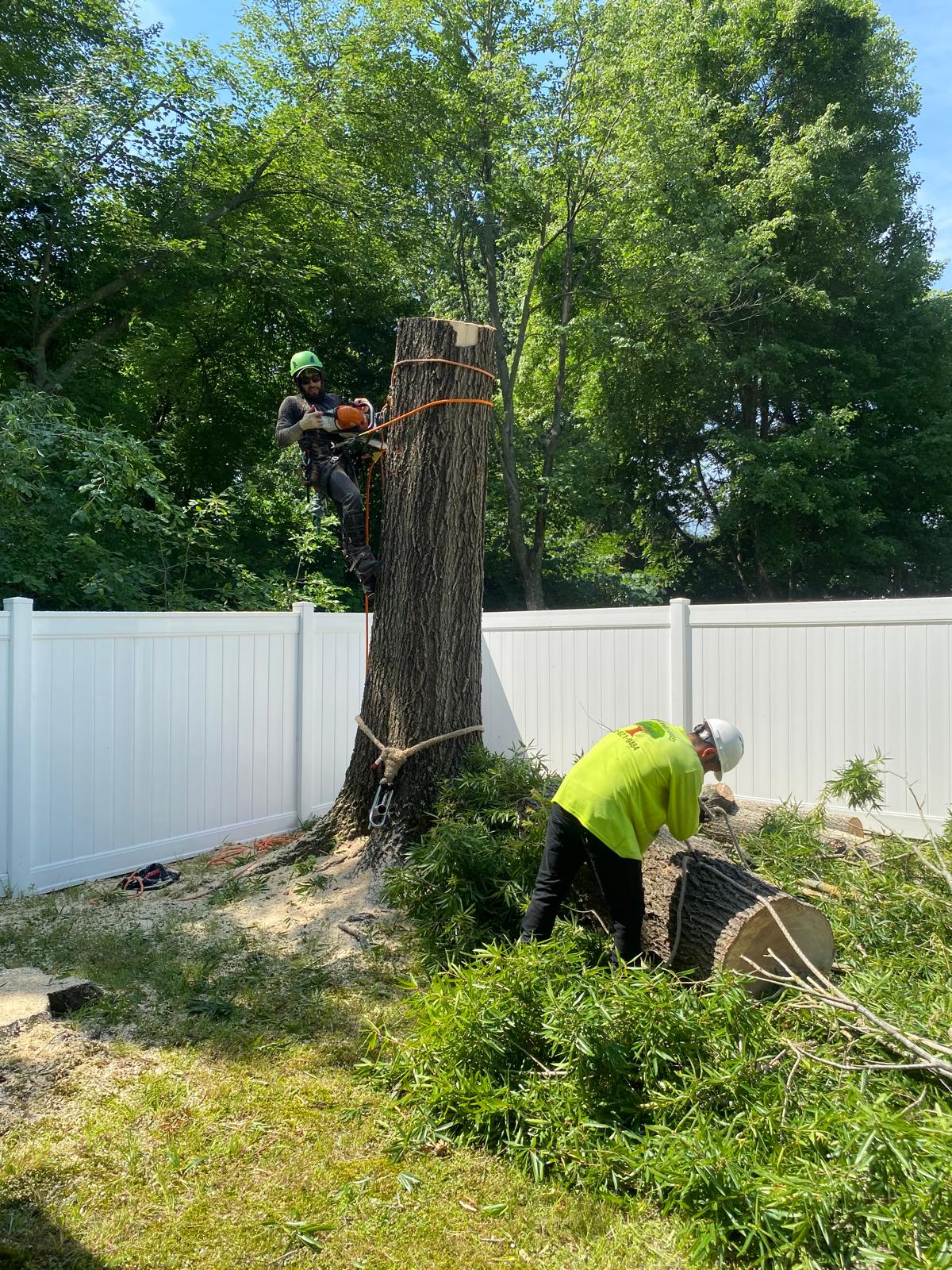
How to Prepare Your Landscape for Winter
As winter approaches, it's essential to prepare your landscape to withstand the harsh conditions. Proper winter preparation not only protects your plants but also ensures that your garden will thrive in the spring. In this guide, we'll cover the key steps to winterize your landscape effectively.
Assessing Your Landscape
Before you start any preparations, take the time to assess your landscape. Understanding what needs protection and what can be left as is will guide your winterization efforts.
- Identify vulnerable plants that need protection.
- Check for any dead or damaged branches.
- Evaluate soil conditions and drainage.
- Take note of areas prone to erosion or snow accumulation.
Preparing Your Plants
Different plants have varying needs during winter. Here are some essential care tips:
- Mulch around perennials and shrubs to retain moisture and insulate roots.
- Prune dead or diseased branches to prevent further damage.
- Wrap young trees with burlap to protect against frost and animal damage.
- Move potted plants indoors or to a sheltered location.
Fertilizing and Watering
Before the ground freezes, it's vital to provide adequate nutrients and hydration to your plants.
- Apply a slow-release fertilizer designed for fall use.
- Ensure all plants are well-watered before the first freeze.
- Avoid fertilizing late in the season as it can stimulate new growth.
Protecting Your Lawn
Your lawn requires specific attention during winter to ensure its health come spring.
- Mow your grass one last time before winter, keeping it slightly longer.
- Aerate the lawn to improve nutrient absorption.
- Apply a winter fertilizer to promote root growth.
- Clear leaves and debris to prevent mold and disease.
Dealing with Snow and Ice
Proper snow and ice management is crucial to prevent damage to your landscape.
- Use a snow shovel instead of a metal plow to avoid damaging plants.
- Avoid salt-based ice melts that can harm vegetation.
- Create paths for snow to fall without accumulating on delicate plants.
Winterizing Garden Structures
Don't forget about your garden structures! Preparing them for winter can extend their life and usability.
- Store garden tools and pots in a dry place.
- Cover outdoor furniture or store it away.
- Inspect and repair any garden structures, such as trellises and fences.
Final Touches and Considerations
As you finalize your winter preparations, consider these additional tips:
- Create a winter landscape plan for next spring's planting.
- Document your winterization process for future reference.
- Keep an eye on weather forecasts and adjust preparations as needed.
Conclusion
Preparing your landscape for winter is a critical task that ensures your garden remains healthy and vibrant. By following these steps, you can protect your plants, lawn, and structures from harsh winter conditions. With the right preparation, you will be rewarded with a thriving landscape come springtime.